









 Ikerd Law Firm
 Disclaimer: This content is for informational purposes only and does not constitute legal advice. If you or a loved one has been charged with a crime in Louisiana, consult with a licensed criminal defense attorney for guidance specific to your situation. Every case is unique, and only a qualified attorney can provide the personalized legal counsel you need.
Just got arrested? Your world just turned upside down.
The confusion, fear, and overwhelming stress that follow criminal charges can cloud your judgment when you need clarity most. Whether you are the person facing charges or a family member trying to help, the decisions you make in these critical first hours and days can dramatically impact the outcome of your case.
Here’s the truth: well-meaning family members often make mistakes that hurt their loved one’s defense. The person charged might unknowingly sabotage their case. Even seemingly innocent actions can become ammunition for prosecution.
This guide reveals the critical mistakes both defendants and family members must avoid to prevent turning a difficult situation into a legal disaster. Because when freedom is on the line, knowledge is not just power; it is protection.
Common Mistakes to Avoid for the Person Charged
Speaking to Police Without an Attorney
 Thinking you can “clear things up” by talking to law enforcement without legal representation.
This is perhaps the most dangerous mistake you can make.
Why It Matters: Every word you say can and will be used against you in court. Police officers are trained interrogators whose job is building a case against you, not helping you. Even completely innocent statements can be twisted, taken out of context, or used to support the prosecution’s narrative.
Remember: You have the absolute right to remain silent. Use it.
Family Member Tip: If your loved one calls from jail, your first words should be: “Do not say anything else. Request an attorney immediately.” Do not let your loved one explain what happened, even to you, over the phone.
Key Insight: Innocent people get convicted because they talked without legal counsel. Often people go free because they stayed silent until their attorney arrived.
Not Hiring a Criminal Defense Attorney
Attempting to navigate Louisiana’s complex legal system without professional representation.
Why It Matters: Criminal law is intricate, with countless procedural rules, deadlines, and strategic considerations.
A qualified Louisiana criminal defense attorney knows how to:
- Challenge evidence
- Negotiate with prosecutors
- Identify constitutional violations
- Navigate plea negotiations
- Protect your rights throughout the process
Public defenders, while dedicated professionals, often carry overwhelming caseloads that limit the time they can dedicate to your specific case.
Family Member Tip: Do not wait. Start researching and contacting criminal defense attorneys immediately. Many offer free consultations and can begin working on the case right away.
An experienced attorney can often spot weaknesses in the prosecution’s case that untrained eyes would miss. This expertise frequently means the difference between conviction and dismissal.
Not Fully Understanding Bail Terms
Agreeing to bail conditions without completely understanding what they mean or the consequences of violation.
Bail isn’t just about getting out of jail. It comes with strict conditions. Violating any bail condition can result in:
- Immediate re-arrest
- Additional charges
- Higher bail amounts
- Pretrial detention until your case resolves
Louisiana bail conditions might include travel restrictions, no-contact orders, drug testing, or regular check-ins with a probation officer.
Family Member Tip: Before posting bail, ensure everyone understands exactly what conditions apply. Write them down, ask questions, and create reminders to help your loved one stay compliant.
Mistakes Family Members Should Avoid
Pressuring the Person Charged to Talk or Cooperate with Police
 Encouraging your loved one to “tell their side of the story” to law enforcement.
Your instinct is to help, but this advice can destroy their defense.
Police are not looking for exculpatory evidence. They are building a case for conviction. Any cooperation without legal counsel present can provide the prosecution with statements, admissions, or inconsistencies they’ll use at trial.
Support your loved one’s decision to remain silent. Remind them that staying quiet is not an admission of guilt; it is a smart legal strategy. Only speak to law enforcement through an attorney.
Discussing the Case Over the Phone or in Public
Having detailed conversations about the case over jail phones or in public spaces.
Here’s what many people don’t realize: jail phone calls are recorded.
Those recorded conversations become evidence the prosecution can use against your loved one. Additionally, conversations in waiting areas, hallways, or anywhere others might overhear can be problematic.
Keep all case-related discussions for private, in-person meetings or conversations with the attorney present. If you must communicate sensitive information, do it through the defense attorney or during confidential visits.
Even seemingly innocent statements like “I hope they don’t find out about…” or “Maybe we should…” can be taken out of context and used against the defendant.
Posting About the Case on Social Media
Sharing updates, expressing opinions, or posting anything related to the charges on social media platforms. Social media posts are permanent, public, and prosecutable evidence.
Prosecutors routinely monitor social media accounts of defendants and their families. Posts expressing guilt, discussing evidence, or contradicting the defense strategy can seriously damage the case.
Action for family members:
- Temporarily deactivate or heavily restrict social media accounts
- Remove any existing posts related to the incident or charges
- Ask extended family and friends to avoid posting about the situation
- Remember that even “private” messages can be subpoenaed
If you would not want a prosecutor reading it in open court, do not post it online.
Pressuring the Person Facing Charges to Accept a Plea Deal
The Mistake: Urging your loved one to “just take the deal and get it over with” without understanding the long-term consequences.
Plea deals have permanent consequences that extend far beyond the immediate penalty. A criminal conviction can affect:
- Employment opportunities
- Housing applications
- Professional licenses
- Immigration status
- Educational opportunities
- Gun ownership rights
Support your loved one in having detailed discussions with their attorney about all aspects of any proposed plea deal. Encourage them to fully understand both immediate and long-term consequences before making decisions.
Mistakes to Avoid During the Legal Process
Missing Court Dates or Postponing Hearings
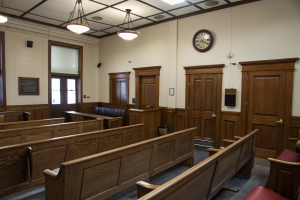 Court dates are commands, not suggestions. Failing to appear for scheduled court proceedings or treating court dates as flexible appointments will lead to problems, including jail time.
Missing court appearances can result in:
- Bench warrants for arrest
- Additional criminal charges
- Forfeiture of bail money
- Harsher sentences when the case eventually resolves
Create a calendar system to track all court dates. Set multiple reminders. Ensure your loved one has reliable transportation and backup plans. Arrive early to account for parking, security, and unexpected delays.
Not Following Court Orders or Bail Conditions
Do not treat bail conditions as suggestions; rather, understand they are legally binding requirements. Even minor violations can have major consequences. Courts take compliance seriously, and violations often result in revoked bail and pretrial detention.
Help create systems to ensure compliance. This might mean:
- Setting up transportation for required appointments
- Creating medication reminders if substance abuse monitoring is required
- Helping maintain communication with probation officers
- Ensuring all check-ins happen on time
The Role of Family Members in Supporting the Person Facing Charges
 Providing Emotional Support Without Pressuring the Defendant
 Providing Emotional Support Without Pressuring the Defendant
Respect the legal process and give your loved one time to make thoughtful decisions. Your role is supporter, not legal strategist.
Criminal defendants are under enormous stress and need emotional stability, not additional pressure. Pushing them to make quick decisions can result in choices they’ll regret.
Offer comfort, reassurance, and practical support while respecting their autonomy in legal decision-making. Trust their attorney to guide the legal strategy.
Staying Informed Without Overstepping Legal Boundaries
Trust your loved one’s defense attorney and support their professional legal strategy. Well-meaning family members can inadvertently interfere with legal strategies or create additional stress for both the defendant and their legal team.
Stay informed about the general process, but defer to the legal team for specific strategy decisions. Ask questions during appropriate meetings, but avoid trying to direct the case’s handling.
Avoiding Financial Mistakes After an Arrest
Not Arranging Bail Promptly
Delaying bail arrangements due to confusion about the process or attempting to negotiate payment terms can cause your loved one to spend unnecessary time in jail. Time in jail is time away from work, family, and case preparation.
Prolonged detention creates additional stress, limits access to legal counsel, and can result in job loss or other practical consequences that complicate the defense.
Locate a reputable bail bondsman quickly. Understand that bail bonds typically require 12-13% of the total bail amount plus collateral. Have the necessary financial documents ready to expedite the process.
Failing to Plan for Legal Fees and Costs
Underestimating the total cost of criminal defense or failing to budget for unexpected expenses can delay representation or cause it to end prior to the resolution of the case.
Criminal defense involves various costs beyond attorney fees, including:
- Investigation expenses
- Expert witness fees
- Court costs and filing fees
- Potential appeal costs
Running out of money mid-case can force your attorney to withdraw, wasting previous investment and leaving your loved one vulnerable. Discuss fee structures and payment plans upfront. Budget for the entire process, not just initial costs. Consider liquidating assets or exploring financing options early in the process.
Long-Term Mistakes to Avoid
Failing to Pursue Expungement After a Case is Resolved
Assuming the legal process ends when the case closes often means missing an opportunity to expunge a conviction from your record. Your future depends on what happens after the case ends.
Criminal records are permanent and public unless formally expunged. Even dismissed cases can appear in background checks, affecting employment, housing, and other opportunities.
After case resolution, consult with your attorney about expungement possibilities. Louisiana has specific procedures and timeframes for clearing records, and acting quickly can protect long-term prospects.
How Family Members Can Help Navigate the Process
Supporting a loved one through criminal charges requires a careful balance. Your instinct is to fix the situation, but the most helpful approach involves:
- Supporting without controlling the legal process
- Staying informed while respecting boundaries set by the legal team providing practical help with logistics and compliance
- Avoiding actions that could inadvertently harm the defense
Do Not Navigate This Alone – Let Ikerd Law Firm Fight for You
Every day you wait is another day the prosecution builds its case. Every conversation without legal counsel is another potential piece of evidence they can use against you.
The Ikerd Law Firm knows Louisiana criminal law inside and out. Chad Ikerd has helped countless clients navigate these exact challenges and protect their rights.
Call now: Do not let confusion and fear guide your decisions when your freedom is on the line.
Frequently Asked Questions
Can police arrest you without a warrant in Louisiana?
Yes, Louisiana law allows officers to arrest a person without a warrant under specific circumstances. Under La. C.Cr.P. Art. 213, a peace officer may make a warrantless arrest when an offense is committed in the officer’s presence, when the officer has reasonable cause to believe a felony has occurred, or when reliable information confirms an active warrant exists. For misdemeanor offenses, the arrest generally needs to happen immediately or during close pursuit of the individual.
What happens at an arraignment in Louisiana?
An arraignment is a formal court hearing where the charges against you are read aloud and you enter a plea. Under La. C.Cr.P. Art. 551, the clerk reads the indictment or bill of information in open court, and the judge asks you to respond. Under La. C.Cr.P. Art. 552, you may enter one of four pleas: guilty, not guilty, not guilty and not guilty by reason of insanity, or nolo contendere. Having an attorney present at your arraignment is strongly recommended before entering any plea.
How long can police hold you without filing charges in Louisiana?
Louisiana law sets strict time limits on how long you can be held in custody without formal charges or a court appearance. Under La. C.Cr.P. Art. 230.1, you are entitled to appear before a judge within 72 hours of arrest. Under La. C.Cr.P. Art. 230.2, if you were arrested without a warrant, a magistrate will determine probable cause within 48 hours. If these deadlines are not met, you may be entitled to release from custody.
What is a no-contact order and what happens if you violate it in Louisiana?
A no-contact order is a court-imposed condition that prohibits you from communicating with or approaching a specific person, typically the alleged victim. Under La. C.Cr.P. Art. 320, judges may attach no-contact provisions as conditions of bail. Violating a no-contact order can result in immediate arrest, revocation of bail, additional criminal charges, and pretrial detention until your case is resolved. Even indirect contact through a third party can constitute a violation.
Can your employer fire you for being arrested in Louisiana?
Louisiana is an at-will employment state, which means an employer can terminate you for an arrest or pending criminal charge in most situations. There is no general state law that prevents private employers from firing a current employee based on an arrest alone. However, La. R.S. 23:291.2, enacted through HB 707 in 2021, prohibits all employers from requesting or considering arrest records that did not result in a conviction when that information is received through a background check. Federal employees and union workers may have additional protections through their contracts or collective bargaining agreements.
What is the difference between a bench warrant and an arrest warrant in Louisiana?
An arrest warrant is issued by a judge based on probable cause that a crime has been committed, while a bench warrant is issued when a defendant fails to comply with a court order. Under La. C.Cr.P. Art. 202, an arrest warrant directs law enforcement to take a specific person into custody for a criminal offense. Under La. C.Cr.P. Art. 333, a bench warrant is issued when a defendant fails to appear for a scheduled court date. Both types of warrants authorize law enforcement to detain you on sight.
Can criminal charges be dropped or dismissed before trial in Louisiana?
Yes, a prosecutor may drop charges before trial through a process called nolle prosequi. Under La. C.Cr.P. Art. 691, the district attorney has the authority to dismiss charges at any point before trial begins. Charges may also be dismissed if the court finds insufficient evidence at a preliminary hearing or if a motion to quash the indictment succeeds. A defense attorney can strengthen the chances of dismissal by identifying weaknesses in the prosecution’s case early in the proceedings.
What rights do you have during a traffic stop in Louisiana?
During a traffic stop in Louisiana, you retain your Fourth Amendment rights against unreasonable searches and your Fifth Amendment right to remain silent. Under La. C.Cr.P. Art. 215.1, an officer may briefly detain you during an investigatory stop if there is reasonable suspicion of criminal activity. You need to provide your license and registration, but you are not obligated to answer questions about where you are going or what you have been doing. You may decline consent to a vehicle search unless the officer has probable cause.
What is a nolo contendere plea and how does it differ from a guilty plea in Louisiana?
A nolo contendere plea, also called “no contest,” means you do not admit guilt but accept the court’s punishment as if you had pleaded guilty. Under La. C.Cr.P. Art. 552, the court may accept a nolo contendere plea for any non-capital offense. The sentence imposed carries the same criminal consequences as a guilty plea, including counting as a prior conviction for future sentencing. However, a nolo contendere plea generally cannot be used as an admission of liability in a related civil lawsuit, which is a distinction worth discussing with your attorney.
Can you get your mugshot removed from the internet in Louisiana?
Louisiana law provides limited protections for mugshot removal, but the process depends on how and where the image was published. Under La. R.S. 15:587A, criminal history records held by the Louisiana Bureau of Criminal Identification and Information are restricted in their dissemination. If your case resulted in a dismissal or acquittal and you obtain an expungement, you can petition to have related records removed from public databases. However, third-party websites that republish mugshots are harder to control, and removal from those sites often requires direct requests or legal action.