

Call for Consultation (337) 366-8994
Call for Consultation (337) 366-8994


Disclaimer: This article is intended solely for informational purposes and should not be interpreted as legal counsel. The information provided here should not be considered a replacement for advice from an attorney.
Being charged with a crime in Louisiana brings instant tension, anxiety, and fear for your future. Choosing the right criminal defense lawyer is the most important decision you will make in this process.
You need more than any lawyer. You need a Louisiana criminal defense lawyer who understands local courts and prosecutors. They can create defense plans tailored to your charges and situation.
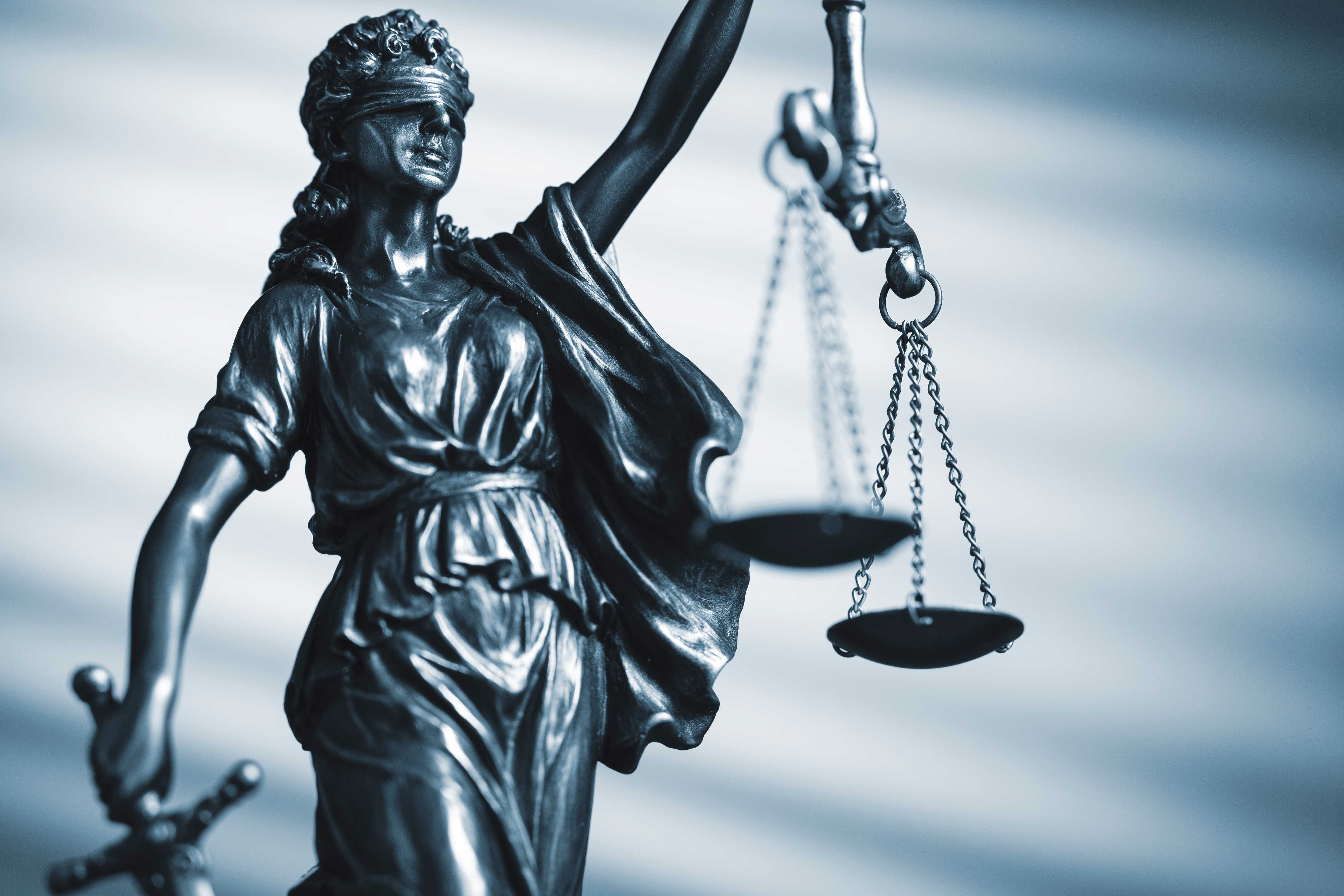 The Constitution grants basic rights to those accused of crimes. You have the right to remain silent, the right to an attorney, and protection from unreasonable searches and seizures. You can also question witnesses.
A skilled criminal defense lawyer in Louisiana protects your rights. They ensure that the police and prosecutors treat you fairly during your case.
Attorneys who do not know Louisiana criminal procedure might overlook important deadlines for filing suppression motions. They might also fail to challenge illegal traffic stops under Louisiana law, La. C. Cr. P. art. 215.1, or fail to notice constitutional issues that could lead to charges dropping.
The Sixth Amendment right to counsel is the right to competent counsel. The constitution requires more than just a bar license; it requires competence and the ability to advocate for a client vigorously.
Your lawyer’s legal strategy affects whether they drop, reduce, or settle charges through good plea deals.
Skilled criminal defense lawyers spot contradictions in police reports. They question witnesses’ truthfulness and file pre-trial motions to exclude evidence. They also negotiate with district attorneys from strong positions.
In Louisiana DUI cases, skilled lawyers challenge the conduct of field sobriety tests. They check breathalyzer calibration data. They also file petitions to exclude evidence from illegal stops in court.
Defense lawyers check if searches follow the Fourth Amendment and Louisiana law when someone faces drug charges. In felony cases, good defense work often reduces charges to misdemeanors. It might also result in joining diversion programs or getting sentences without mandatory minimum penalties.
Criminal charges impact all areas of life. They affect your job, family connections, housing situation, and mental well-being. A qualified advocate who communicates clearly can ease your anxiety. They help you know what to expect at each step of the criminal process.
Your lawyer should use clear language to explain Louisiana’s criminal process. They should outline what will happen in your case based on the evidence and the law. They will guide you through each step, from arraignment to trial or plea deal.
Look for lawyers who have worked on criminal cases in Louisiana that are like yours. A lawyer who comprehends the judges and prosecutors, the rules of the court, and the progression of cases.

You need a lawyer who answers calls, emails, and questions. During your first meeting, see how well the lawyer presents legal ideas. Do they use simple language or too much legalese? Will you talk to the lawyer who is managing your case in person or primarily with paralegals and other staff?
Accessibility matters, especially in urgent cases. This includes bond hearings, concerns about police reaching you, or quick decisions on plea offers. Lawyers who are available for jail calls and keep in touch with their clients show that they are dedicated to their cases.
Skilled lawyers talk about several ways to defend you instead of just giving you a one-size-fits-all answer. They should tell you how they plan to look into your case, what defenses might work, and whether a trial or a negotiation would be preferable for you.
Trial readiness sets great criminal defense lawyers apart from those who just handle cases. Even if cases end up being settled through plea deals, being willing and able to go to trial gives you a lot of power in plea discussions.
Check a potential lawyer’s trial experience and recent jury trial results. Ask how comfortable they are with Louisiana’s criminal trial procedures from the Louisiana Code of Criminal Procedure.
Ask for specific numbers: how many DUI cases, felony drug cases, or violent crime cases they’ve handled in Louisiana. Request information about outcomes in similar cases.
Local court knowledge matters. An attorney familiar with Lafayette Parish procedures, judges, and prosecutors brings invaluable advantages.
Experienced attorneys should talk about possible strategies and pinpoint key legal issues. They might need more information to give detailed advice.
You need honest assessments, not false promises. Good attorneys provide realistic outcome ranges based on the evidence and applicable law.
Establish expectations for communication frequency and methods. Clarify who you’ll communicate with day-to-day and how quickly the attorney responds.
Discuss all costs upfront, including retainers, additional fees, and payment options. Clear fee agreements prevent surprises later.
Most of the time, criminal defense lawyers charge either by the hour or a flat fee, depending on how complicated the case is.
Flat fee agreements that cover counsel through trial or plea resolution are common for misdemeanor cases. Hourly fees are usually applied to serious offenses, federal charges, or cases that need thorough investigation. This is because time commitments can be hard to predict.
With flat rates, you know exactly how much you will have to pay up front. But make sure to explain what the fixed charge covers. Does it include trial preparation and the actual trial, or only representation during the plea negotiation stage? Are the costs of expert witnesses, investigators, and filing in court included, or are they invoiced separately?
Hourly arrangements charge you for the time they actually spend on your case. Ask the lawyer how much they charge per hour, how many hours they think your case will take, and how they keep track of and bill for time.
Retainers are payments made in advance that are put into the attorney’s trust account and taken out as work is done. Attorneys must keep any unused retainer money in trust accounts and give you a full explanation of how your fees are used.
You may have to pay for an expert witness for accident reconstruction or forensic specialists, transcripts of preliminary hearings, and court filing fees. To avoid getting invoices you did not expect, ask for a clear explanation of the extra costs you expect.
Some firms know that their clients cannot always pay in full right away, so they offer payment plans. Talk about how you will pay during your first meeting. Some lawyers use credit cards, while others set up monthly payment plans.
Be honest about your money problems. Experienced lawyers know how to help and may offer flexible alternatives to ensure you get good representation.
Each of Louisiana’s 64 parishes has its own district court with its own rules, procedures, and ways of doing things in the courtroom.
Lawyers who know the local courts also know how judges tend to rule on evidence, punishment, and bail. They can make better plans that are relevant to your area because they know how things work inside.
Handling of cases is very different in different parishes in Louisiana. The rules for Lafayette Parish are different from those for Orleans Parish, Jefferson Parish, and East Baton Rouge Parish.
District attorneys’ offices have different rules. They vary in plea negotiations, eligibility for diversion programs, and the order of cases they choose to prosecute. Some parishes have programs for first-time drug possession offenders, while others are stricter.
Choosing a lawyer who knows your area well ensures they know how things work there and can best defend your interests in that system. What works in one parish might not work in another.
Misdemeanors are less serious than felonies. Many misdemeanors in Louisiana can lead to up to six months in parish jail and fines of $1,000. But, if a statute doesn’t state a punishment, the maximum penalty can be two years in jail and a $1,000 fine. Felonies can result in hard labor in state facilities.
Some common crimes in Louisiana are:
If you get a DUI or DWI in Louisiana, the penalties get worse each time you do it. You could lose your driver’s license and have to use an ignition interlock device.
The process for suspending a driver’s license in Louisiana is different from criminal cases. You have 30 days from your arrest to request an administrative hearing. Taking action within this strict deadline is critical to protecting your driving privileges.
Louisiana’s Uniform Controlled Dangerous Substances Law includes many drug crimes. It covers everything from simple possession misdemeanors to serious felony distribution and trafficking. The type and amount of drugs involved, as well as the defendant’s criminal record, affect the penalties.
Felony charges for violent crimes, property crimes, or other major crimes come with long jail sentences. Louisiana’s truth-in-sentencing laws in 2024 made it so that many crimes could no longer receive parole. Defendants who are found guilty after August 1, 2024, have to serve at least 85% of their sentences.
Convictions can impact jobs, professional licenses, housing, gun rights, and immigration status for non-citizens. Employers often do background checks, and many jobs require you to tell them about your criminal history.
Trust and working together are important for a good attorney-client relationship.
Get ready for meetings by:
Your lawyer cannot share your information without your permission because of the attorney-client privilege. This protection encourages honesty. Your lawyer needs all the details to create the best defense. Lying to or hiding information from your counsel will undermine your case.
Listen to what your lawyer says about talking to the police, using social media, and talking about your case. The prosecution can use posts from Facebook or friends who are not guilty. Your lawyer’s advice keeps you from harming your defense.
To stay organized, keep court papers, letters, and important dates in one place. Go to all the meetings between you and your lawyer and all the court hearings. If you miss a court date, you could get an arrest warrant and lose your bond.
If you have criminal charges in Louisiana, the Ikerd Law Firm provides skilled defense in Lafayette Parish and beyond.
Chad Ikerd has 14 years of criminal defense experience. He has represented over 1,000 clients with serious felony charges, DUI/DWI cases, drug offenses, and federal indictments. Chad Ikerd is licensed to practice in Louisiana and Texas. He knows the unique challenges Louisiana defendants face. He creates defense strategies using his local court knowledge and strong courtroom skills.
Do not face Louisiana’s criminal justice system alone. Call today for a free consultation to discuss your charges, understand your options, and start building your defense.
Call Now: (337) 366-8994
Serving Louisiana and Texas.
Important: Past results do not guarantee future outcomes. This website and consultation do not form an attorney-client relationship. That only happens when you sign a written representation agreement. Time-sensitive deadlines may apply to your case. Contact us immediately to protect your rights.
You should contact a lawyer as soon as possible after an arrest or even if you believe charges may be filed. Early legal involvement can prevent mistakes, preserve evidence, and protect your rights before formal charges move forward.
Yes. An attorney can communicate with law enforcement or prosecutors during the investigation stage and, in some cases, help prevent charges from being filed or reduce their severity.
Delays can lead to missed deadlines, lost evidence, or statements being used against you. Waiting may limit defense options that are only available early in the case.
Yes, you generally have the right to change attorneys, though timing matters. Switching lawyers close to trial may cause delays or additional costs.
Case length varies widely depending on the charge, court schedule, and complexity. Some cases resolve in months, while others can take a year or more.
Bring arrest paperwork, court notices, bond documents, and any evidence or information you believe is relevant, including witness names or messages related to the case.
Communications between you and your attorney are protected by the attorney-client privilege, meaning they cannot be disclosed without your consent.
Some attorneys offer payment plans or alternative fee arrangements. It’s important to discuss financial concerns openly during your consultation.
Depending on the outcome, you may qualify for expungement under Louisiana law, which can remove the charge from public records.
The right lawyer should listen carefully, explain options clearly, answer questions honestly, and make you feel informed—not pressured—about decisions.



 Ikerd Law Firm